Green Fodder Farming: India’s place has always been ahead in the production of agriculture. For ages, various crops are being cultivated here on the very fertile land. Wheat, paddy, maize, sugarcane are the main cash crops here, while the same has achieved a special position in the cultivation of vegetables in India, but now the farmers here are moving towards innovations. Now farming is not the only way to earn livelihood, but the interest of farmers is also developing towards other crops, which along with giving good profits, are produced in less time and less expenditure.
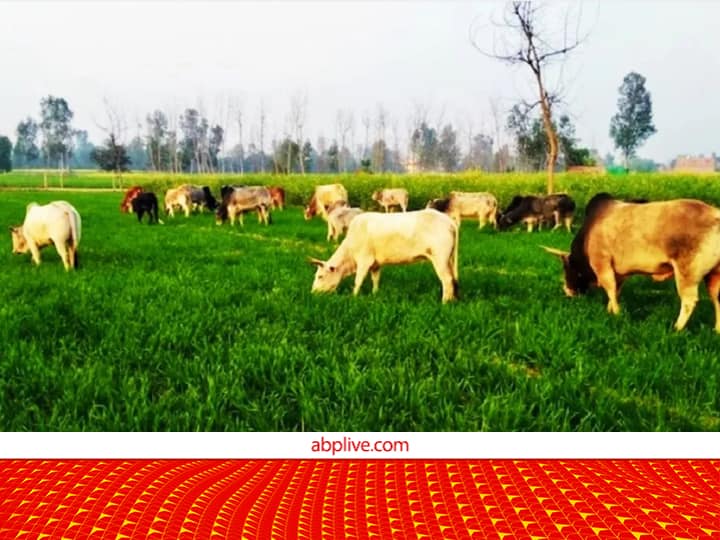
Animal fodder is also included in these crops, which has a lot of demand in the market, and the farmers who grow all four are also less, so its production is also very less, but due to the development and expansion of the animal husbandry sector, the demand for animal fodder is increasing.
Understanding this model, Sharad Verma of Itarsi, Madhya Pradesh is earning profit of lakhs from the cultivation of green fodder silage. Please tell that like ordinary farmers, earlier Sharad also used to cultivate vegetables.
Due to not getting the right profit, he acquired knowledge of new advanced techniques of making green fodder silage from New Zealand and has started green fodder cultivation in Talwara village from Itarsi.
Today Sharad Sharma is counted among the millionaire farmers. Inspired by this farmer, many farmers of Madhya Pradesh have started growing green fodder silage. Sharad Verma is growing green fodder silage on his 100 acres of land, which started with only 10 acres of land, but due to increasing profits, farming also expanded.
Today, silage from Sharad Verma’s fields is being sent to big dairy and animal husbandry units of Jabalpur, Bhopal, Betul, Harda, Narmadapuram, Multai in Madhya Pradesh. Amazing thing is that green fodder silage is giving profit of 50 lakhs in 75 to 80 days.
Increased profit from foreign technology
According to media reports, Sharad Verma has got more than 100 awards in his name by cultivating green fodder silage. By the way, Sharad Verma has studied BA-LLB. After testing his experience and knowledge, the Agriculture Department sent him to New Zealand to get information about cultivation of green fodder.
After taking information on Google search, it was found that by eating this fodder, animals start giving more milk and this fodder does not spoil even for 18 months. Then did you make up your mind to grow this fodder on your land which is emerging as a dairy hub. Then as soon as he returned from New Zealand, he started silage farming. Started getting good results in a short time, then turned towards technology.
In the year 2021, bought a small machine worth Rs 4 lakh. For fodder harvesting, a big fodder harvesting machine was bought in 2022 and a unit worth one crore was set up for fodder packing. Due to which 8 people are getting employment today.
Today Sharad Verma is producing 100 quintals of green fodder silage from one acre through these modern techniques. The method of growing it is very special. Silage is prepared when 50% of maize grains are in soft and milky condition.
Fodder grown by leaving vegetables
Before the Corona period, Sharad Verma used to cultivate vegetables, but it was not profitable. According to hard work, even the prices of vegetables were not available in the market, that’s why slowly started silage cultivation. Sharad Verma’s wife Kanchan Verma also supported a lot in this work.
Sharad Verma himself won hundreds of awards by growing green fodder silage, but Kanchan Verma has also got Krishi Karman Award in his name for record production of wheat. He has grown 40 quintals of excellent quality wheat from one acre of land. This couple, who has achieved new heights in agriculture, is emerging as a source of inspiration for other farmers today.
Disclaimer: Some of the information given in the news is based on media reports. Farmer brothers, before implementing any suggestion, do consult the concerned expert.
This also Read- This plant is very dangerous for the wheat crop, uproot it as soon as it appears, otherwise the production may decrease.