Adsence Adsence

APOD: 2026 August 3 – Vaporizing Meteor Photobombs the Lacerta Nebula – NASA Science

APOD: 2026 August 3 – Vaporizing Meteor Photobombs the Lacerta Nebula – NASA Science

Explanation: What’s happening to this meteor? This┬аbright meteor streak┬аappeared and disappeared quickly during a long exposure of the┬аGreat Lacerta Nebula, seen faintly in red toward the center of the image. The┬аmeteoroid, likely a small pebble,┬аcreates its glow┬аpartly by heating and exciting surrounding air in┬аEarth’s atmosphere, but itself vaporizes and leaves wind-blown gas and dust with┬аcolors┬аthat

APOD: 2026 August 3 – Vaporizing Meteor Photobombs the Lacerta Nebula – NASA Science Read More ┬╗

APOD: 2026 August 2 тАУ A Fire Rainbow over West Virginia – NASA Science

APOD: 2026 August 2 тАУ A Fire Rainbow over West Virginia – NASA Science

Explanation: What’s happening to this cloud? Ice crystals in a distant cirrus cloud are acting like little floating prisms. Known informally as a fire rainbow for its flame-like appearance, a circumhorizon arc appears parallel to the horizon. For a circumhorizontal arc to be visible, the Sun must be at least 58 degrees high in a

APOD: 2026 August 2 тАУ A Fire Rainbow over West Virginia – NASA Science Read More ┬╗

WhatтАЩs Up: August 2026 Skywatching Tips from NASA – NASA Science

WhatтАЩs Up: August 2026 Skywatching Tips from NASA – NASA Science

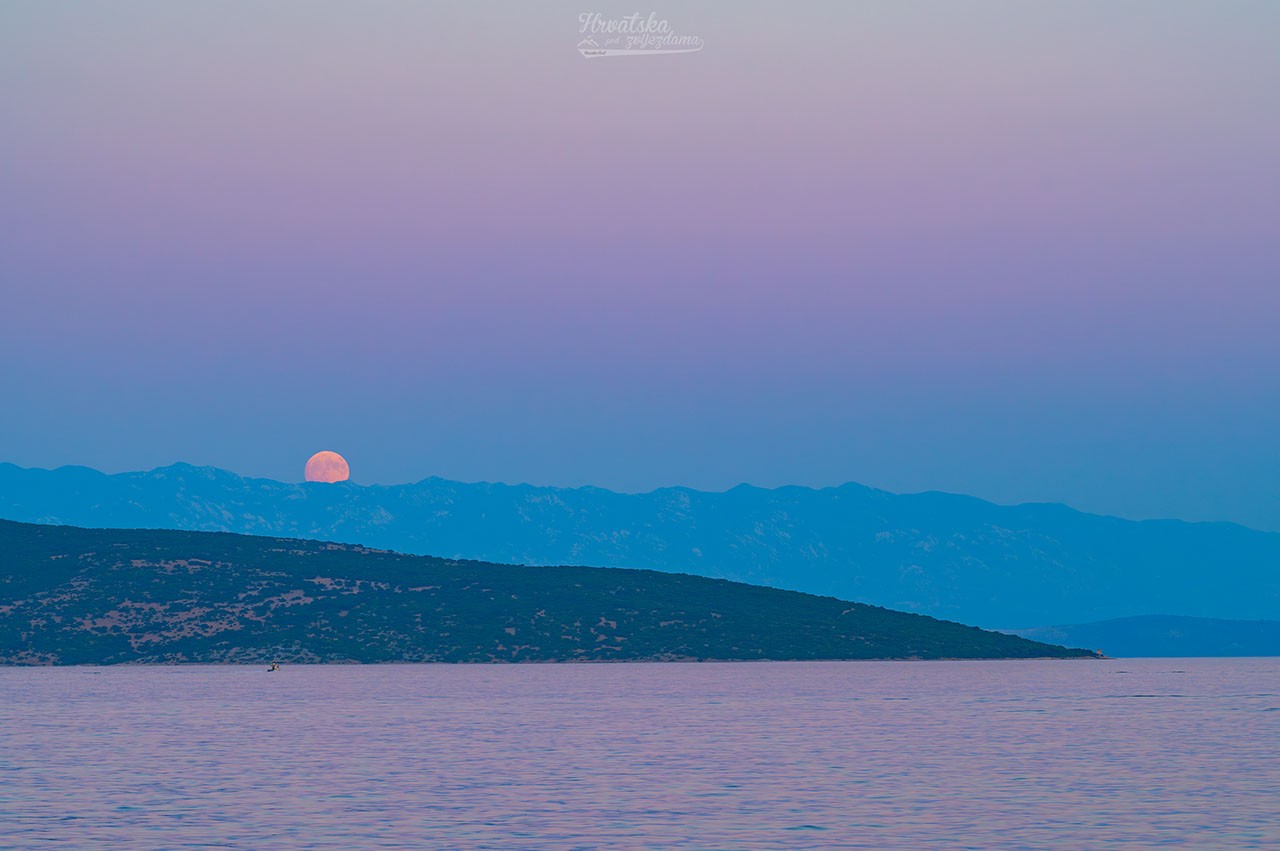
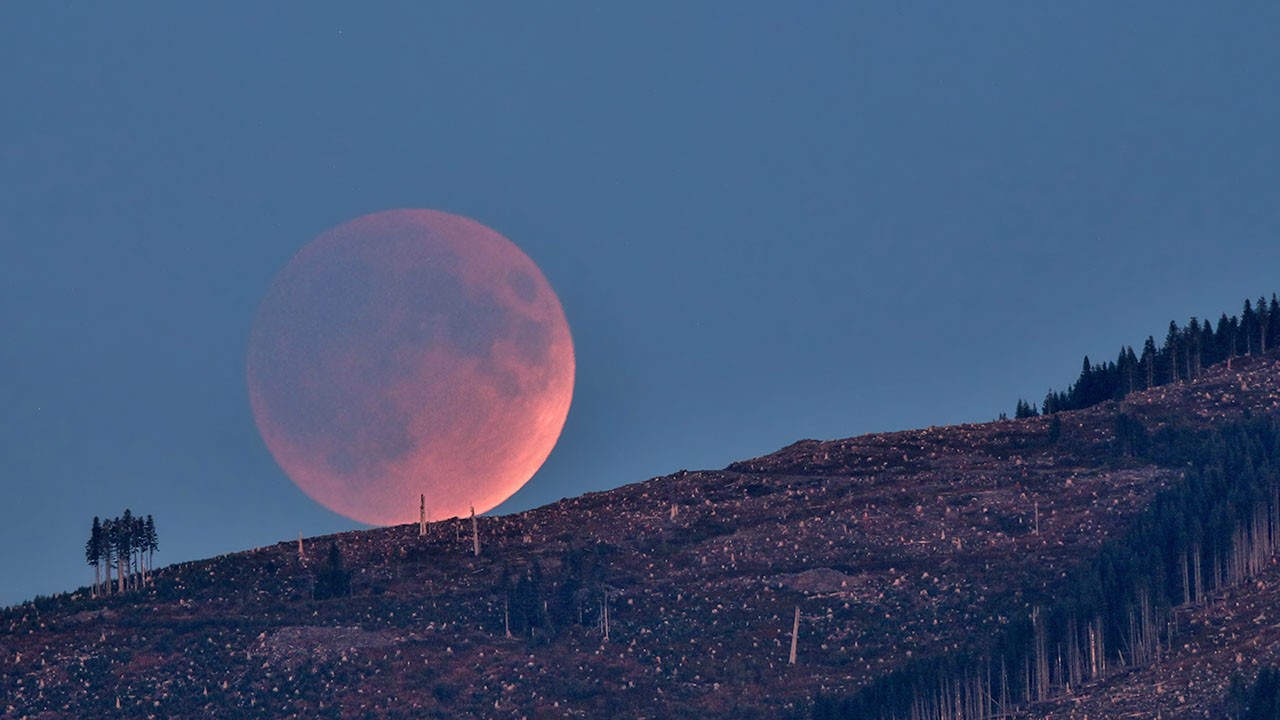
A solar eclipse, the Perseids, bright Venus after sunset, and a deep partial lunar eclipse highlight August’s skywatching. Aug. 5: Last Quarter Moon Aug. 12: Total solar eclipse across northern Russia, Greenland, Iceland, northern Spain, and part of Portugal; partial eclipse in parts of the U.S.; New Moon Aug. 12-13: Perseid meteor shower peak under

WhatтАЩs Up: August 2026 Skywatching Tips from NASA – NASA Science Read More ┬╗

Efforts Continue to Stabilize LINK Spacecraft for NASAтАЩs Swift Boost – NASA Science

Efforts Continue to Stabilize LINK Spacecraft for NASAтАЩs Swift Boost – NASA Science

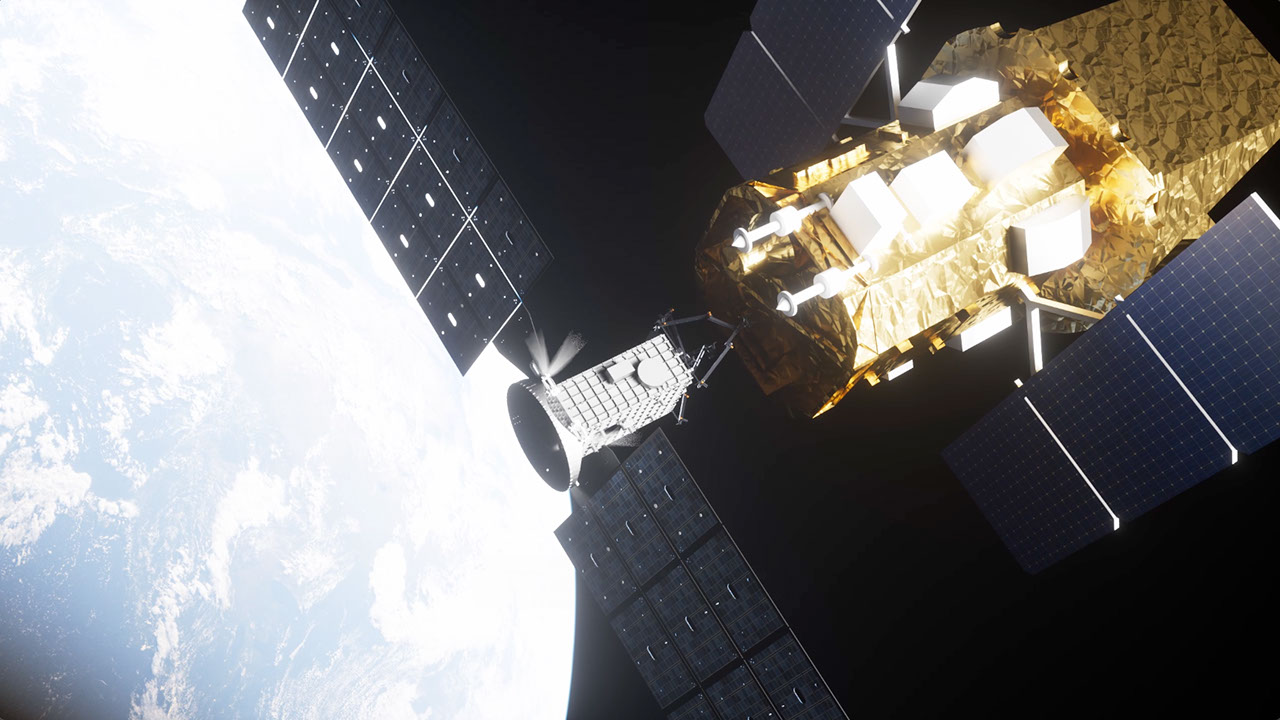
Teams at Katalyst Space are making progress slowing the spin of their LINK spacecraft, which is designed to boost the orbit of NASAтАЩs Neil Gehrels Swift Observatory. A series of thruster burns this week reduced the rate of spin from approximately 9 degrees per second to less than 4 degrees per second. Katalyst is continuing

Efforts Continue to Stabilize LINK Spacecraft for NASAтАЩs Swift Boost – NASA Science Read More ┬╗

EAGLE – NASA Science

EAGLE – NASA Science

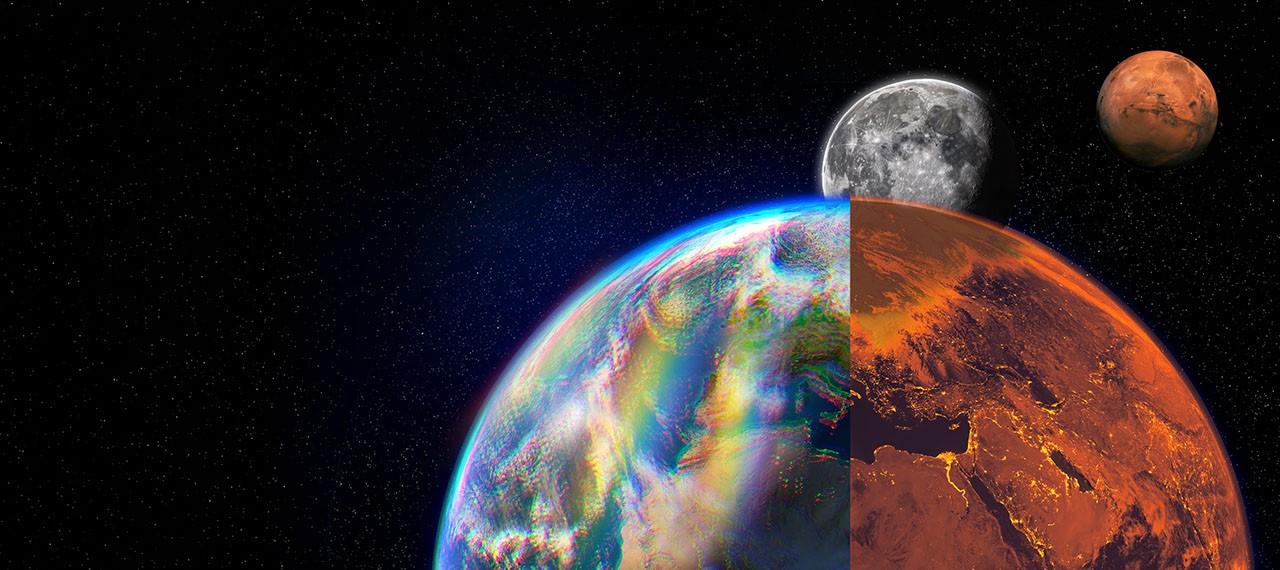
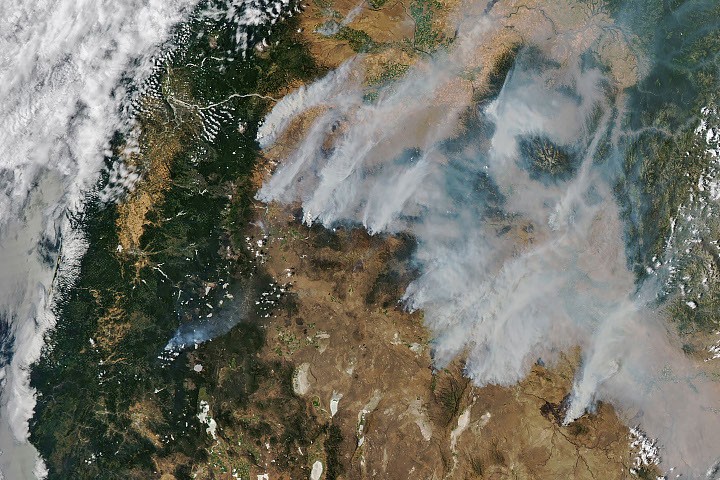
EAGLE-TIR The EAGLE-TIR mission will provide Thermal InfraRed (TIR) imagery when it launches two to three years after EAGLE-VSWIR, measuring energy emitted from the surface and producing data that scientists can use to map temperature, composition, and critical mineral deposits. On Earth that would let researchers monitor wildfires and volcanic activity, track drought and water

EAGLE – NASA Science Read More ┬╗

NASA’s Newest Wind Tunnel Opens at NASA Langley – NASA

NASA’s Newest Wind Tunnel Opens at NASA Langley – NASA

From left to right: Casey Swails, NASA deputy associate administrator; Mike Waller, vice president of BL Harbert International Federal Division; Edward C. Forst, administrator of the U.S. General Services Administration; NASA Administrator Jared Isaacman; Dr. Trina Dyal, director of NASAтАЩs Langley Research Center; Rep. Robert тАЬBobbyтАЭ Scott (D-Va.); Virginia Lt. Gov. Ghazala F. Hashmi; Jimmy

NASA’s Newest Wind Tunnel Opens at NASA Langley – NASA Read More ┬╗