Adsence Adsence

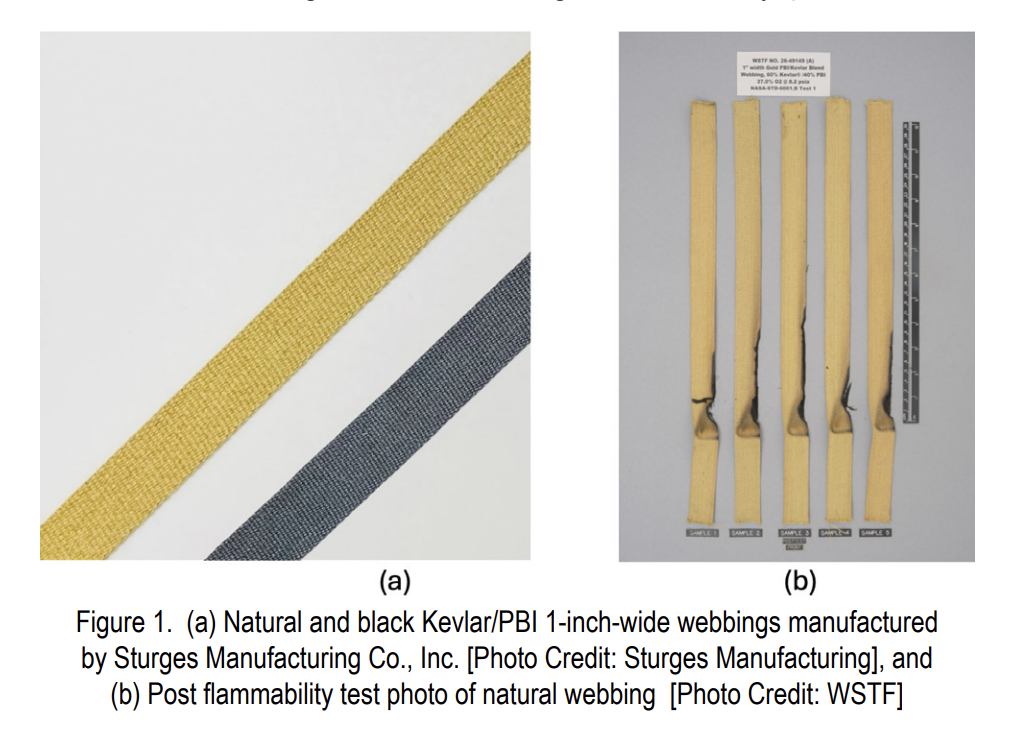
TB 26-04 Webbings for Use in Elevated Oxygen Environments – NASA

TB 26-04 Webbings for Use in Elevated Oxygen Environments – NASA

Flammability test results for commercial-off-the-shelf webbings that meet NASA flammability requirements are reported for use in elevated oxygen environments anticipated for future lunar and Martian missions. Testing demonstrated that a webbing composed of 60% Kevlar┬о/40% polybenzimidazole (PBI) from Sturges Manufacturing Company, Inc., specifically the natural version, passed flammability testing per NASA-STD-6001B Test 1 using a

TB 26-04 Webbings for Use in Elevated Oxygen Environments – NASA Read More ┬╗

In Pursuit of Precision: Remembering John Barker┬а – NASA Science

In Pursuit of Precision: Remembering John Barker┬а – NASA Science

By Laura E.P. Rocchio┬а John┬аL.┬аBarker, a seminal force behind LandsatтАЩs┬аscience-grade┬аdata, died on Monday, July 6, 2026. He was 88.┬а Barker was instrumental in transforming Landsat from a technology demonstration satellite that produced pictures of Earth into a well-understood science mission collecting images made from┬аphysically-based┬аspectral measurements of EarthтАЩs surface. The calibration standards relentlessly pursued by Barker

In Pursuit of Precision: Remembering John Barker┬а – NASA Science Read More ┬╗

NASA, SpaceX Advance Wind Tunnel Tests for Starship Rocket┬а – NASA

NASA, SpaceX Advance Wind Tunnel Tests for Starship Rocket┬а – NASA

NASA and its industry partners are preparing for next yearтАЩs Artemis III demonstration mission by completing new wind tunnel tests on SpaceXтАЩs Super Heavy Version 3 rocket booster. The tests, conducted at NASAтАЩs Ames Research Center in CaliforniaтАЩs Silicon Valley, focused on better understanding the extreme aerodynamic forces the rocket can experience during re-entry. The

NASA, SpaceX Advance Wind Tunnel Tests for Starship Rocket┬а – NASA Read More ┬╗

NASA Opens New Flight Dynamics Research Facility in Virginia – NASA

NASA Opens New Flight Dynamics Research Facility in Virginia – NASA

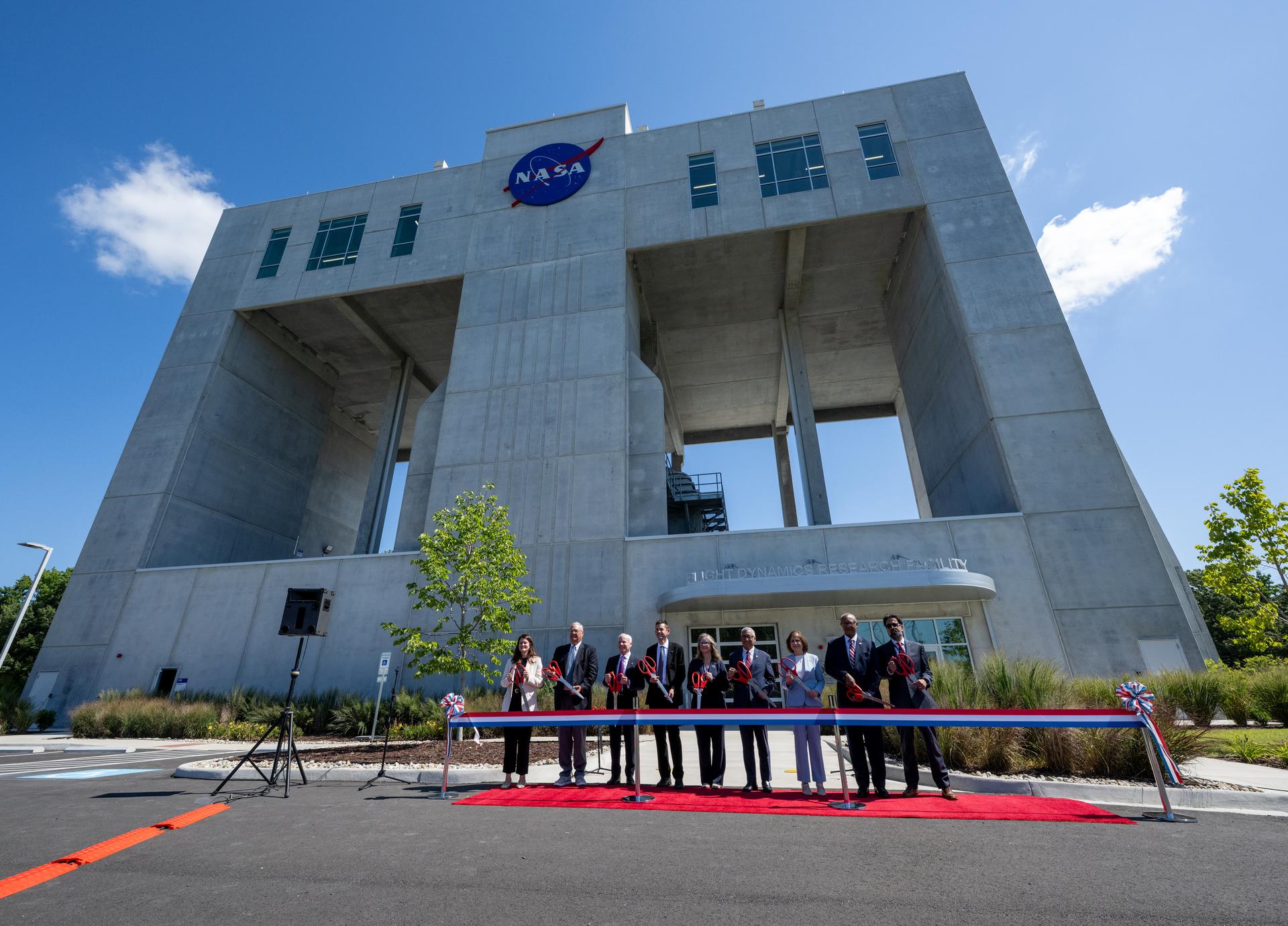
NASA opened its newest wind tunnel, the Flight Dynamics Research Facility, Friday, providing a critical resource for the agency and its partners to test the safety and performance of future generations of aircraft, rockets, and space exploration vehicles. Located at NASAтАЩs Langley Research Center in Hampton, Virginia, the Flight Dynamics Research Facility will support advances

NASA Opens New Flight Dynamics Research Facility in Virginia – NASA Read More ┬╗

Curiosity Blog, Sols 4961-4967: Approaching a Break in the Rock Record? – NASA Science

Curiosity Blog, Sols 4961-4967: Approaching a Break in the Rock Record? – NASA Science

Written by Abigail Fraeman, Deputy Project Scientist, Jet Propulsion Laboratory, California Institute of Technology Earth planning date: Friday, July 24, 2026 Curiosity spent the week continuing to climb her way up through the layers of Mount Sharp, exploring the sedimentary rock strip chart of Martian history. The rover has reached a layer where the science

Curiosity Blog, Sols 4961-4967: Approaching a Break in the Rock Record? – NASA Science Read More ┬╗

CHAPEA 2: Audio Log 3 – NASA

CHAPEA 2: Audio Log 3 – NASA

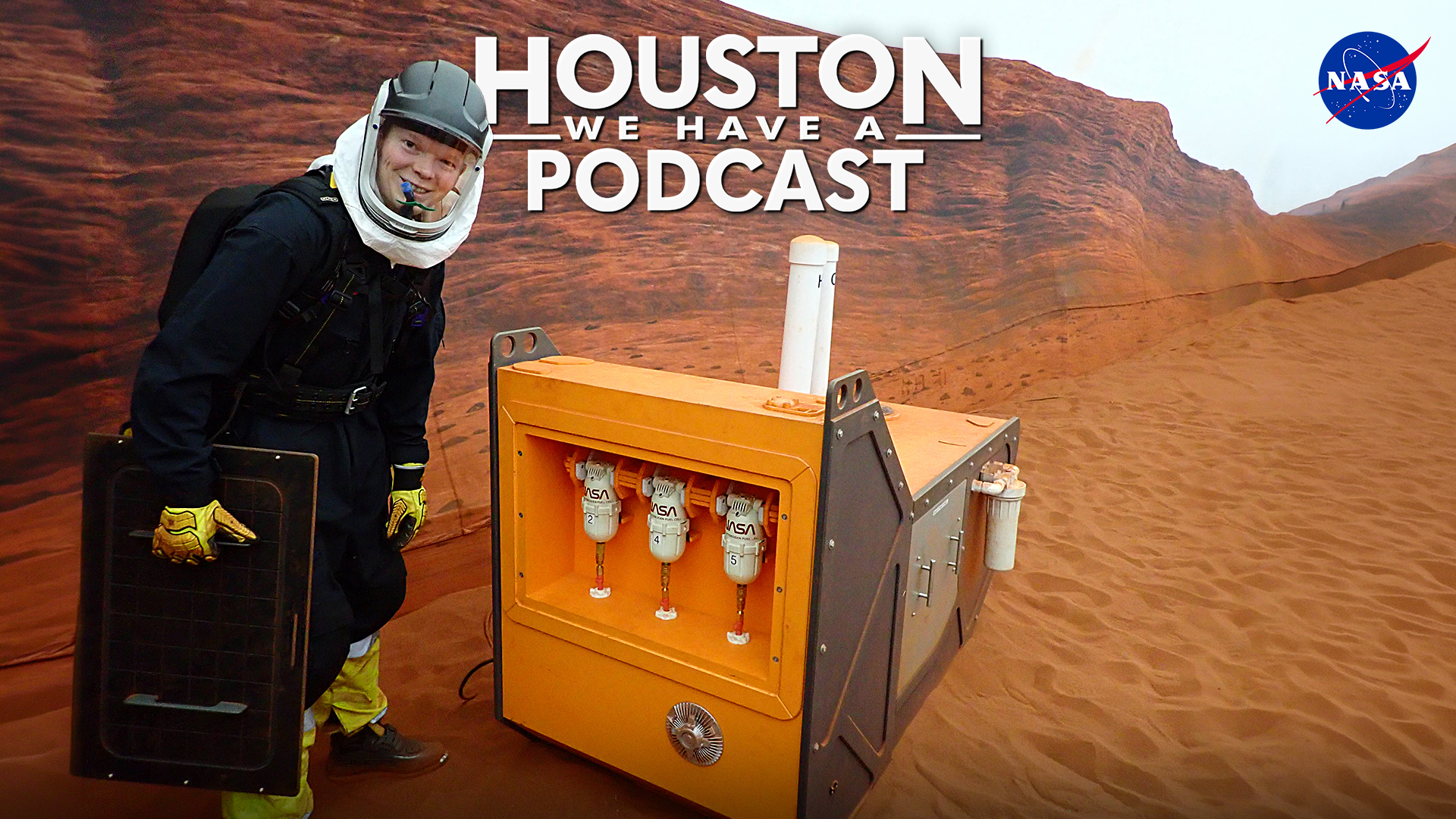
From Earth orbit to the Moon and Mars, explore the world of human spaceflight with NASA each week on the official podcast of the Johnson Space Center in Houston, Texas. Listen to in-depth conversations with the astronauts, scientists and engineers who make it possible. On episode 431, the CHAPEA 2 crew shares audio logs recorded

CHAPEA 2: Audio Log 3 – NASA Read More ┬╗

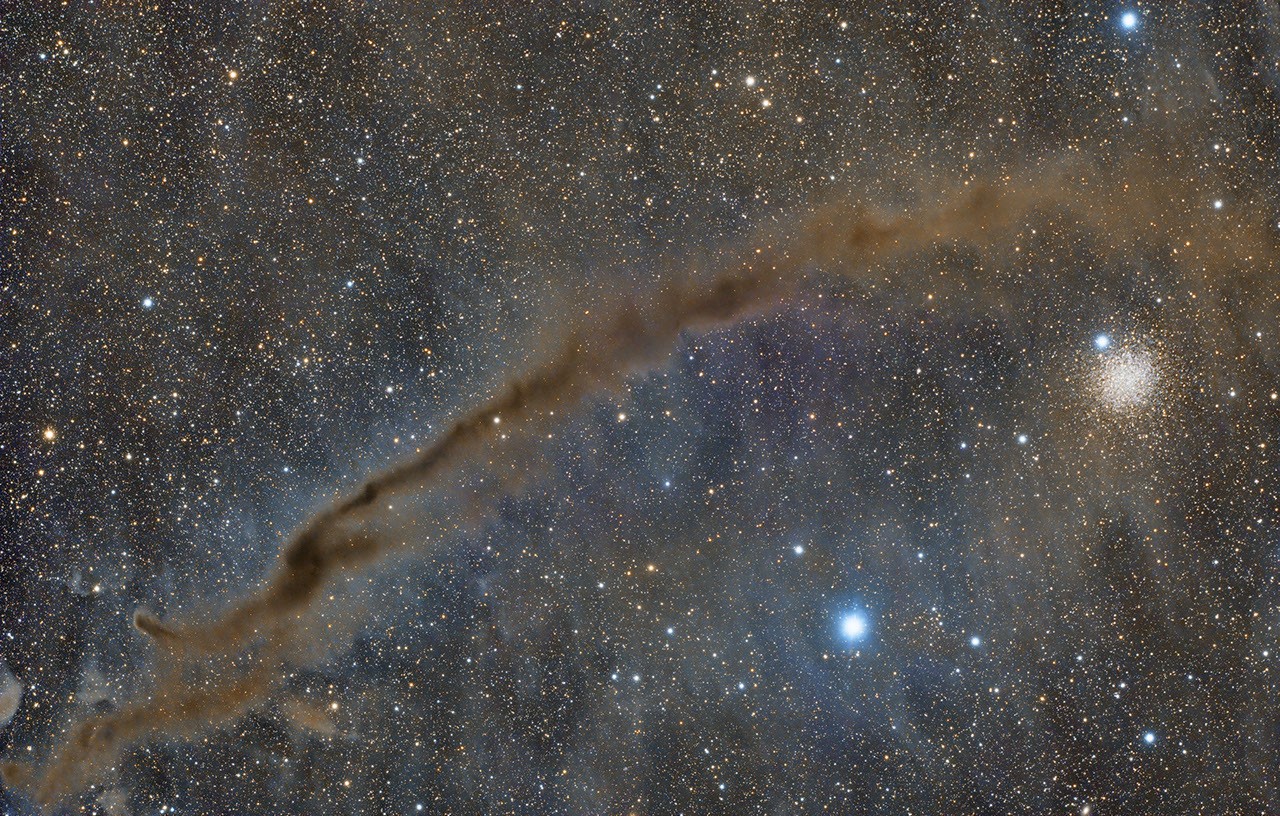
APOD: 2026 July 31 тАУ NGC 4372 and the Dark Doodad – NASA Science

APOD: 2026 July 31 тАУ NGC 4372 and the Dark Doodad – NASA Science

Explanation: The Dark Doodad Nebula drifts through southern skies, a tantalizing target for binoculars toward the small constellation Musca, The Fly. A dusty interstellar cloud, it’s seen against rich starfields just south of the Coalsack Nebula and the Southern Cross. Stretching for about 3 degrees across this telescopic field of view, the Dark Doodad is

APOD: 2026 July 31 тАУ NGC 4372 and the Dark Doodad – NASA Science Read More ┬╗