

Hubble’s Nebulae – NASA Science
The post Hubble’s Nebulae appeared first on NASA Science. Source link
Hubble’s Nebulae – NASA Science Read More »

The post Hubble’s Nebulae appeared first on NASA Science. Source link
Hubble’s Nebulae – NASA Science Read More »
Name: Michael KaszycaTitle: Contracting OfficerEmail: michael.kaszyca@nasa.gov Name: Christopher JenkinsTitle: Contract SpecialistEmail: christopher.l.jenkins@nasa.gov Source Selection Authority (SSA): Casey Swails, Deputy Associate Administrator Source Evaluation Board (SEB): David Mitchell, Office of the Administrator, SEB Chair Shannon Fitzpatrick, Planetary Science Division, Science Mission Directorate (SMD) Antonios Seas, Earth Science Division, SMD John McCullough, Human Spaceflight Mission Directorate (HSMD)
Federally Funded Research and Development Center (FFRDC) Competitive Procurement – NASA Read More »
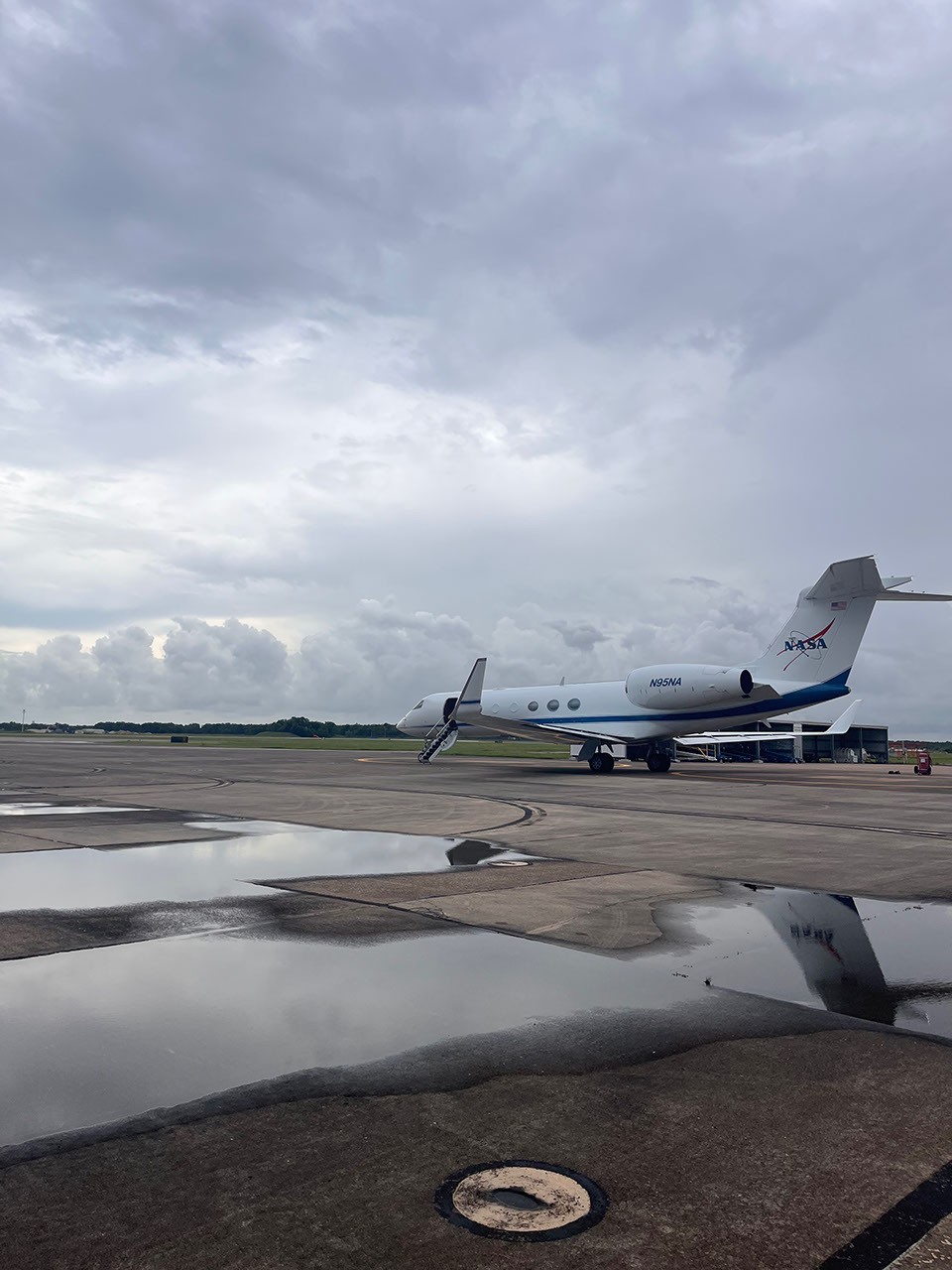
The gusty wind didn’t make it easy to hold tight to a balloon so large. The balloon, a scientific instrument called an ozonesonde, was about to be released into the atmosphere above the Texas Gulf Coast by students from NASA’s SARP (Student Airborne Research Program), which concluded its summer session July 27. The balloon’s job
Students Take on Airborne Field Research with NASA – NASA Science Read More »

Expedition 75 is gearing up for a busy August with three spacewalks planned at the International Space Station. The orbital residents are also printing living cells and tissues and studying how to increase the effectiveness of exercising in space. Mission managers discussed a series of spacewalks and their associated tasks during a news conference on
Spacewalk Preps, Bioprinting, and Exercise Research Top Station Schedule – NASA Read More »
Dear Astrophysics Strategic Technology & Research Accelerator (ASTRA) community members- Abstracts submitted for talks and posters at the Community Science (Ad ASTRA) Workshop on 1-3 September 2026 have now been sorted. The detailed program for the three days can be found on the workshop webpage, together with call-in details for the plenary sessions. The selected
Ad ASTRA Community Workshop Detailed Schedule & Abstracts – NASA Science Read More »
NASA astronaut Deniz Burnham will embark on her first mission to the International Space Station, serving as an Expedition 76 flight engineer. Burnham will launch aboard the Roscosmos Soyuz MS-30 spacecraft with cosmonauts Dmitri Petelin and Konstantin Borisov. Launch is targeted for March 2027, from the Baikonur Cosmodrome in Kazakhstan, and the trio will spend
NASA Assigns Astronaut Deniz Burnham to First Space Station Mission – NASA Read More »
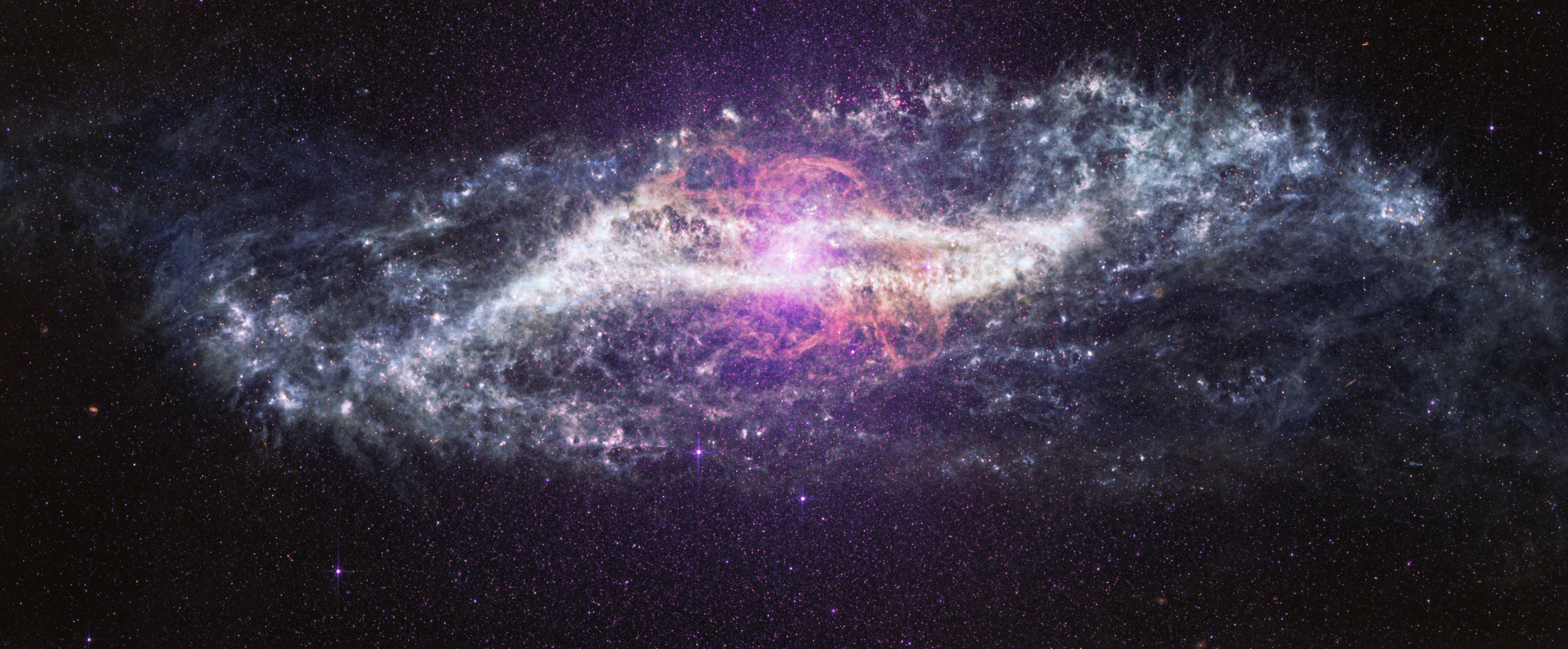
In this July 6, 2026, image, NASA’s James Webb Space Telescope’s Mid-Infrared Instrument (MIRI) reveals the nearby galaxy Centaurus A, exposing the dusty structures and hidden activity that shape this unusual system. Centaurus A is 11 million light-years away from Earth, relatively close in cosmic terms. Yet, unlike most nearby galaxies, it is very active,
Starburst Galaxy Centaurus A – NASA Read More »

This the main body and structure that all other spacecraft pieces are attached to. It holds the electronics and equipment that support the telescope and instruments. Primary Structure The six-sided primary structure, also called the spacecraft bus, provides the structural support for the observatory. It contains six compartments, or avionics bays, that house key electronics
Observatory Support Systems – NASA Science Read More »
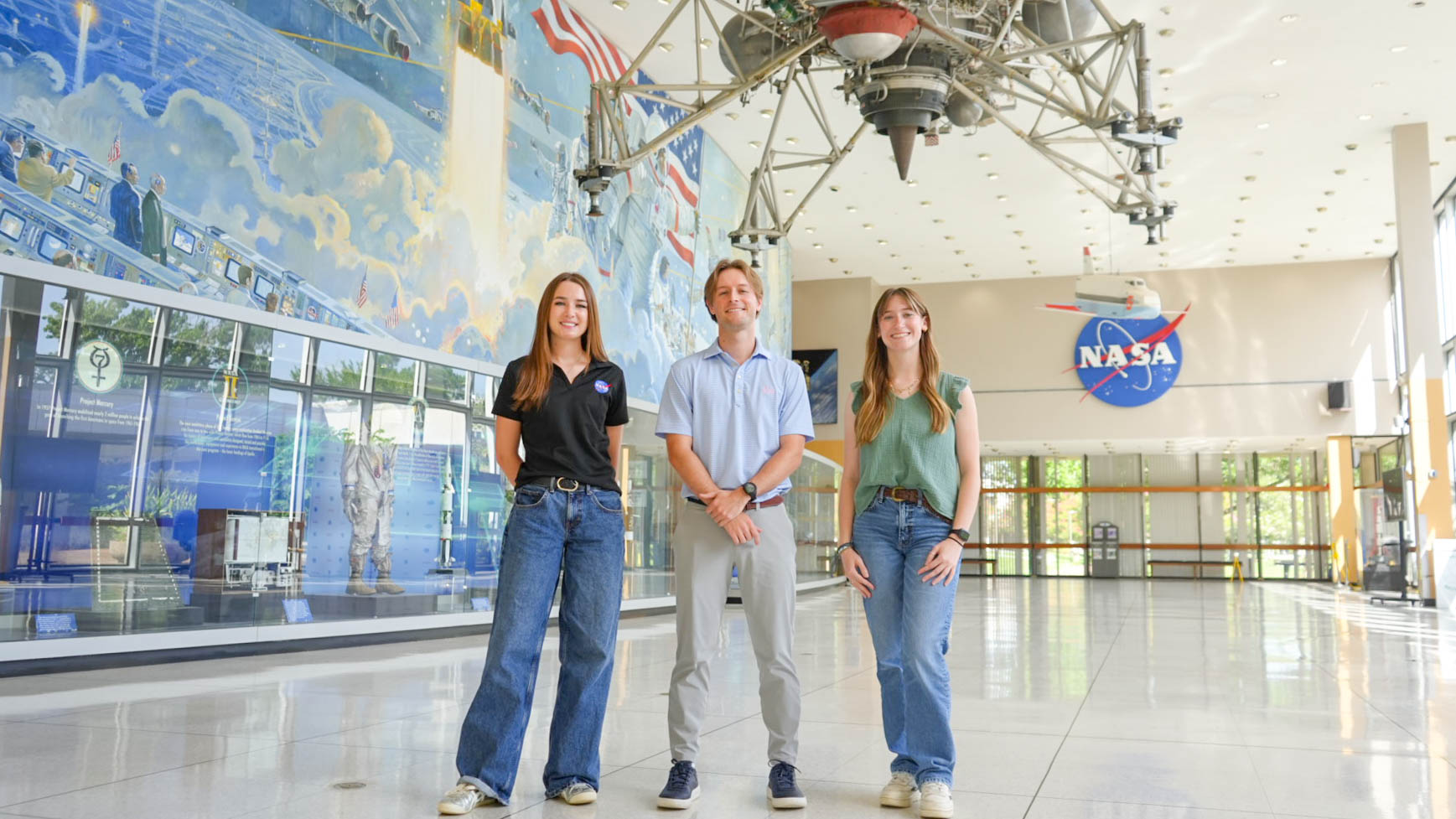
NASA interns at Johnson Space Center are applying their talents to real-world projects while working alongside the engineers, scientists, communicators, and innovators advancing human spaceflight. Learn how these students are gaining hands-on experience, contributing to real missions, and preparing to join the nation’s highly skilled and competitive aerospace workforce. Meet the students behind the work and discover what inspired them to pursue careers at
NASA Johnson Interns Shaping the Future of Exploration – NASA Read More »

Explanation: This could be the view from an exoplanet orbiting around a red dwarf star, but it is our own Sun. This image of was taken on July 22, 2026, in the Okanagan region in the Canadian province of British Columbia. Wildfire smoke from the Pacific Northwest acted as a solar filter, allowing the photographer to take this photo of the Sun directly. Several sunspots are also visible in this
APOD: July 30 – Red Sun trough Wildfire Smoke – NASA Science Read More »