Pulses Production in India: Pulses are considered the best source of protein. These colorful pulses are an important part of Indian kitchen, they also enhance the beauty of Indian food. Such a healthy food, in which the amount of sodium and fat is less, but the essential nutrients of the body are available only from pulses. It is gluten free, so people suffering from serious diseases are also given pulses in their diet, so that they can recover quickly. Apart from this, there are many benefits of pulses, but the awareness among people about its consumption is less. World Pulses Day was started in the year 2018-19 only to make the whole world aware of the importance of pulses in health and nutritional security and the benefits of its consumption. Since then, every year World Pulses Day i.e. World Pulses Day is celebrated on 10 February, setting a different theme and different target.
Pulses helpful in environmental protection with nutrition
The main goal of the United Nations regarding World Pulses Day is to increase the production of pulses all over the world and make them available to the countries suffering from poverty and malnutrition, so that these challenges can be overcome. Pulses not only provide health benefits, but pulses also play an important role in environmental protection.
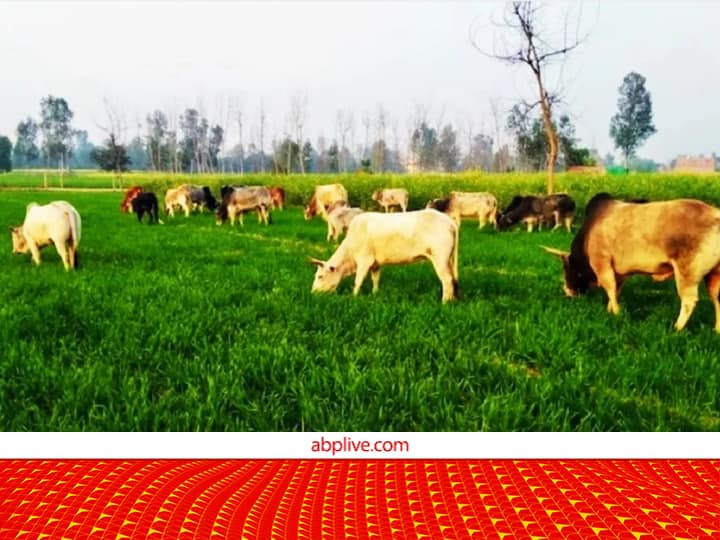
This is such a crop, whose cultivation brings back the fertility of the soil. Its fodder also gives nutrition to milch animals and farmers also get profit by cultivating pulses at low cost. This is the reason why all the benefits of pulses year 2023 Adjusted to the theme of The theme of World Pulses Day 2023 is ‘Pulses for a sustainable future’.
boon for agriculture and farmers
Agricultural experts also believe that pulses do not depend much on irrigation as compared to other crops. Where up to 13,000 liters of water is consumed in preparing one kilo of beef. On the other hand, the crop of pulses is prepared in 1,250 liters of water only. No separate synthetic fertilizer is required for the cultivation of pulses.
If the farmers want, reducing the cost of cultivation, they can produce pulses only with the help of organic manure, which is sold at a better price in the market. It is also helpful in nitrogen-fixation from the cultivation of pulses. If farmers start intercropping of pulses i.e. co-crop farming by adopting the right crop cycle, then they can increase their income by removing many challenges of farming.
What all comes in pulses?
Generally, pulses are a leguminous crop and the nutrition-rich seeds that are obtained from the beans that grow on plants are called pulses. There are many species of pulses, including dry peas, dry beans, lupins, lentils and chickpeas, etc. It is of different sizes, types, colors, varieties. The most commonly consumed pulses in the world include dry beans, peas and lentils.
Where is India in the production of pulses
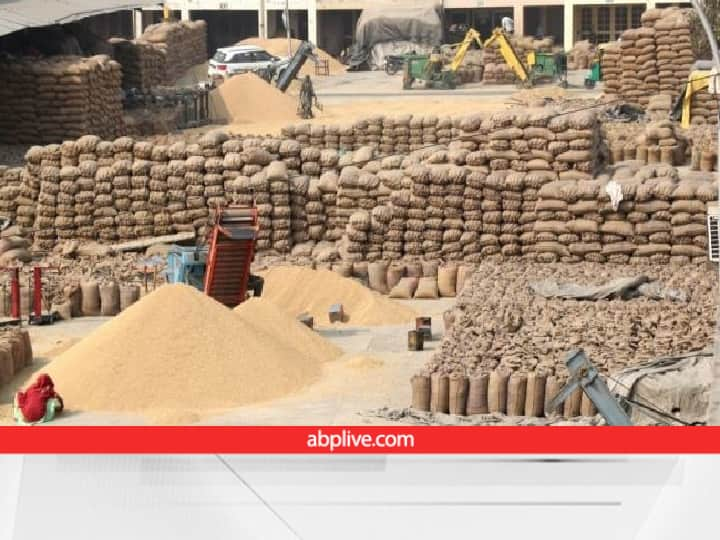
India is an agricultural country. Like other agricultural commodities, India is also far ahead in global pulses production. The production of 24 percent pulses of the whole world is available from the soil of India only. There is consumption of pulses in the country, as well as the supply of pulses to other countries is also being ensured from this.
The data till the year 2022 has shown that Indian pulses productivity has increased from 140 lakh tonnes to 240 lakh tonnes. Earlier, till the year 2019-20, India was producing only 23.15 million tonnes of pulses, which was 23.62 per cent of the global pulses, but for some time, efforts have been going on to make the country self-sufficient in pulses production, so the production of pulses will continue to grow. is happening.
This can be gauged from the fact that during the year 2020-21, India exported 296,169.83 metric tonnes of pulses to the world and did a business of Rs 2,116.69 crore.
Disclaimer: Some of the information given in the news is based on media reports. Farmer brothers, before implementing any suggestion, do consult the concerned expert.
Read this also- A selfie of a farmer with Nano Urea can fetch Rs 2,500, a cash prize of Rs 20,000 on the documentary